Event operations are fast-moving and often unpredictable. And some would say that’s an understatement! This blog summarizes a recent Mazévo Connect live webinar where we explored how teams can shift from reactive scrambling to proactive event management.
You can view a full recording of that session online.
The goal of moving toward a proactive event management model is to make sure the work related to events is clear, visible, and completed exactly as planned. While being reactive is a common experience for many teams, there are modern ways to handle operations without a major system overhaul. By using digital tools, like Mazévo Ops, you can stay in sync and ensure nothing falls through the cracks.
TL;DR Key Takeaways:
- Moving away from paper reports and verbal communication to see real-time updates on every task (and improving digital visibility) is crucial.
- Giving your operations team the ability to update statuses and add notes directly from their phones helps them be more proactive.
- You have to ensure every team member knows exactly what they’re being asked to handle during their shift.
- Tracking non-event tasks like cleaning or equipment checks helps keep your facilities in top shape.
What Does Proactive Event Operations Really Look Like?
When we talk about event operations, we’re looking at everything that happens once a booking is made but before the event actually starts. This includes audio-visual deliveries, security, staffing, and those inevitable last-minute adjustments.
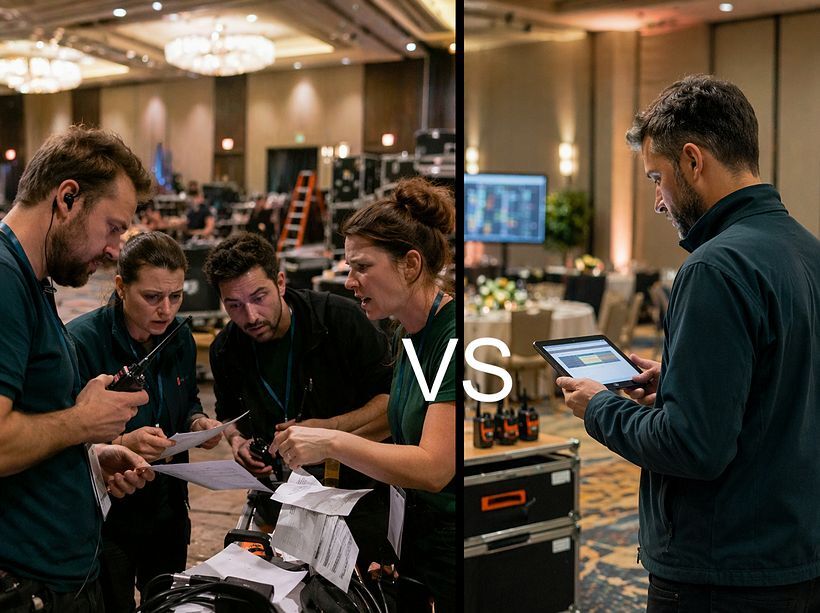
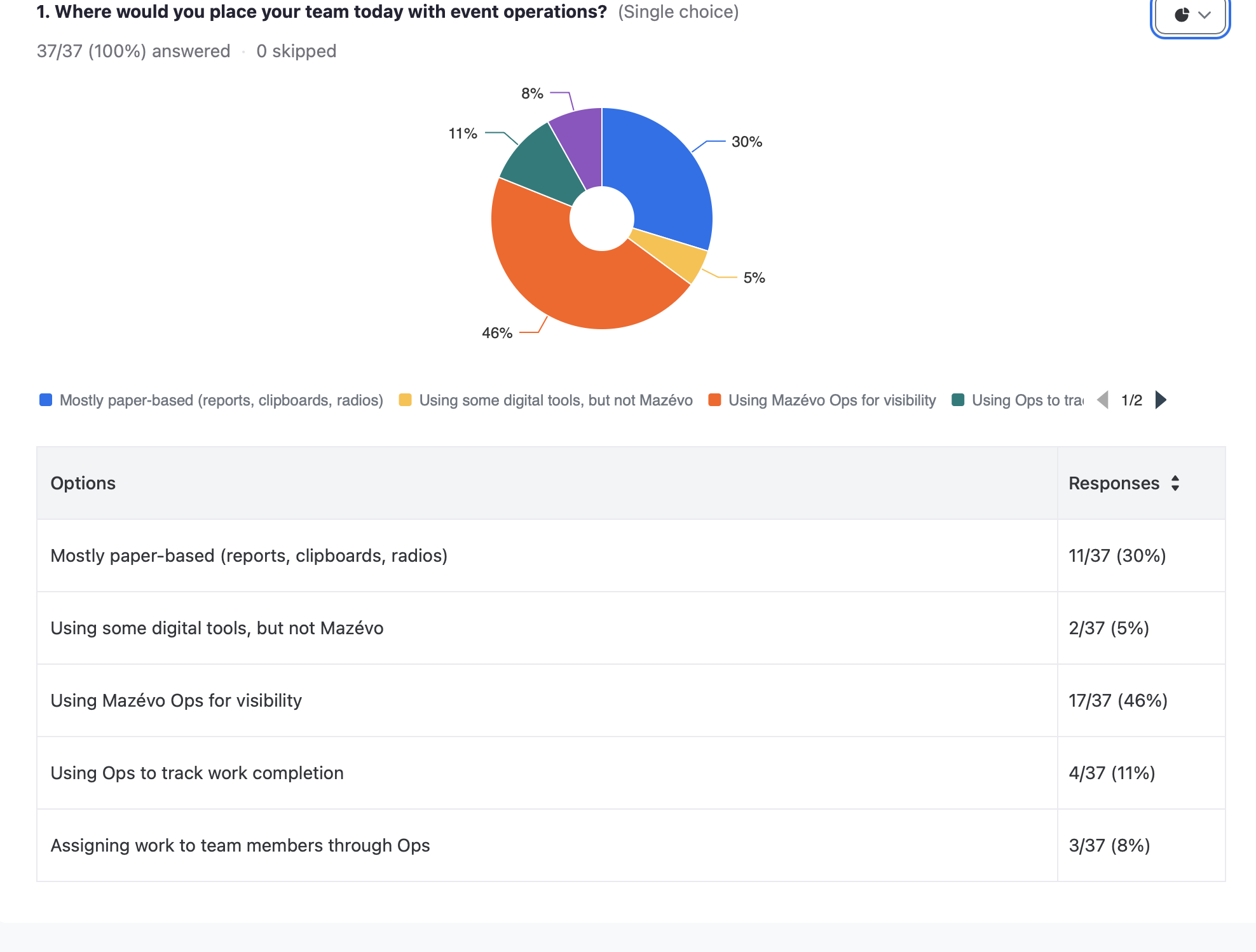
In the past, teams typically relied on printed reports and quick conversations to get things done. This often led to missed details because staff were not always looking at the same information. Many have moved to digital tools, but 30% of attendees surveyed still rely “mostly” on paper-based resources, as shown in the graphic below:
A proactive, digital approach improves operations by making information clear and visible to everyone at the same time. It’s not just about scheduling the room, but about managing the work that makes the event successful. When you have a system that tracks these details, you can respond to issues before they become problems for your customers.
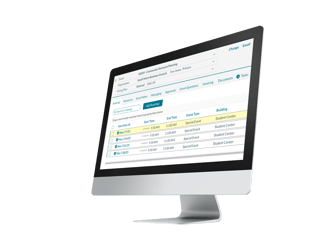
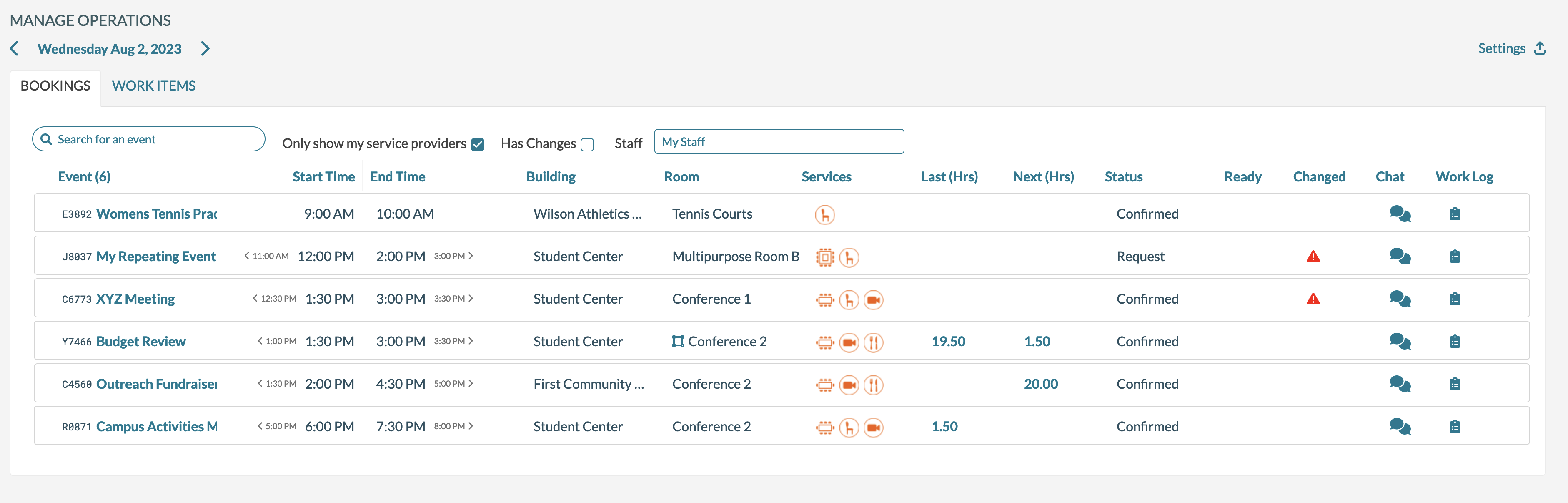 Screenshot of Mazévo Ops Schedule
Why Is Real-Time Visibility So Important?
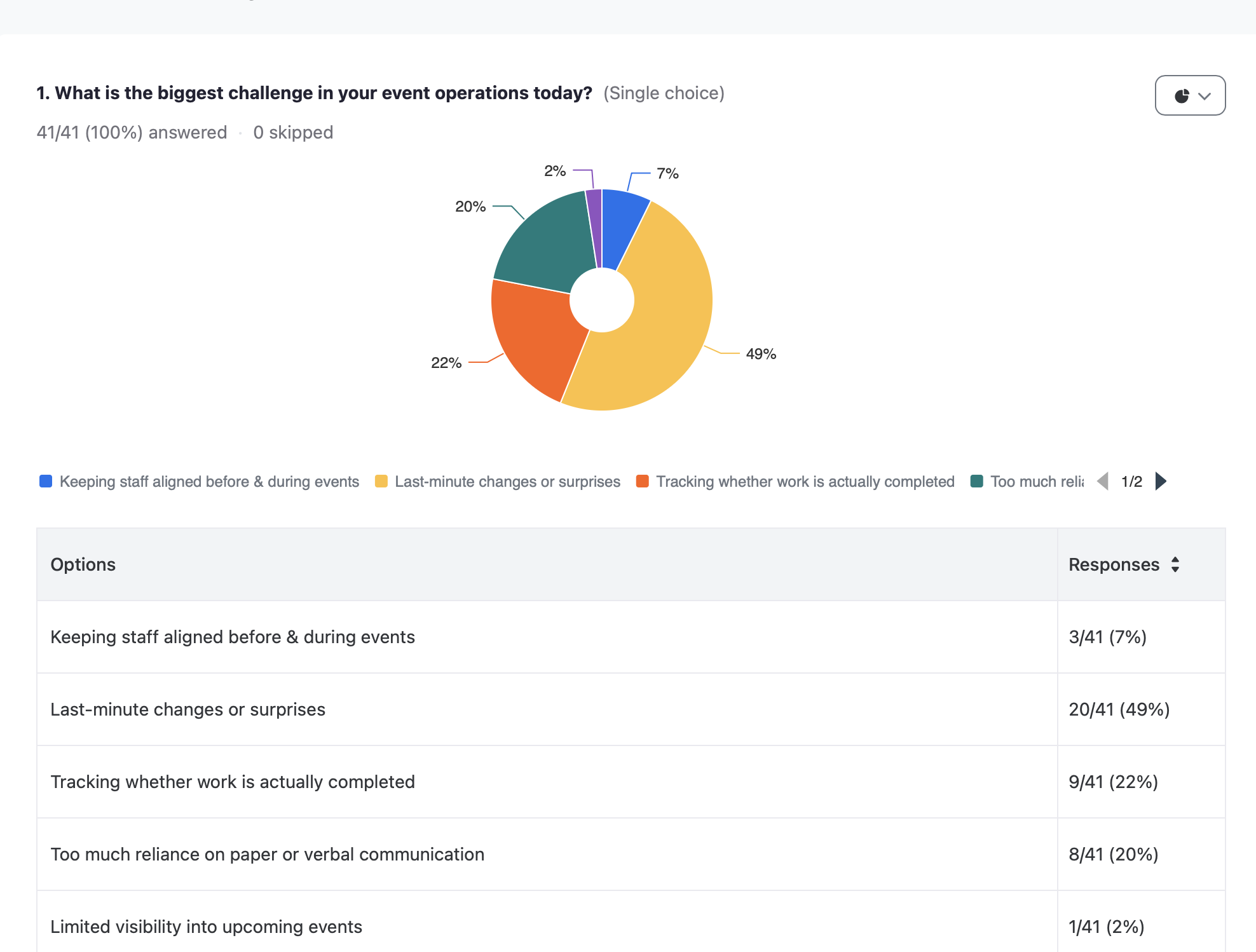
One of the biggest challenges in event management is handling “surprises.” Nearly half of attendees pointed to last-minute changes as a major problem in our flash poll:
If a customer asks for an extra table or a different microphone right as an event is getting underway, your team needs to know about it immediately. Using digital tools rather than paper reports allows managers to see which tasks are finished and which ones still need attention.
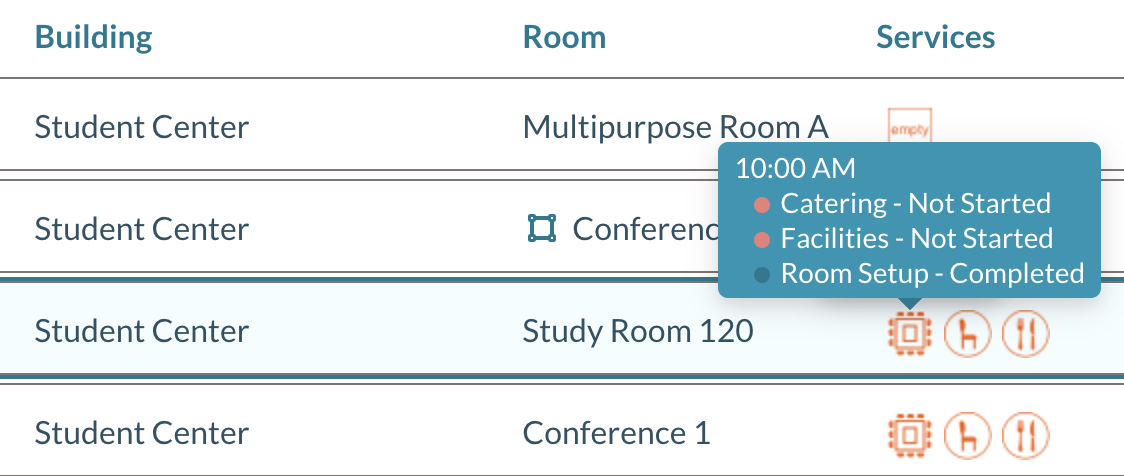
Managers can filter information by building, service provider, or even specific statuses like "Confirmed" or "Tentative." This level of detail helps you see if a room is ready for the next group or if your staff is currently working on the setup. You can even see how much time has passed since the last event in a room, which helps you plan your labor more effectively.
How Can Mobile Tools Help Your Field Staff?
Your operations staff are rarely sitting at a desk, so they need tools that work where they do. Field workers can use their phones or tablets to see their specific assignments for the day wherever they are. This eliminates the need for paper lists that become outdated the moment they’re printed.
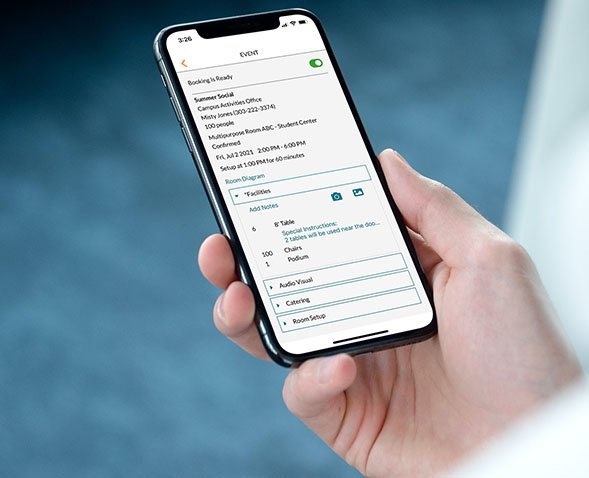 Access Mazévo on the go
Staff can mark a task as "In Progress" or "Complete" with a single tap. If they find a problem, like a broken table or damaged drywall, they can take a photo and upload it directly to the work log. They can also send a chat message to their supervisor to get help right away with issues that need to be resolved immediately. This instant communication keeps everyone on the same page without the noise of a radio.
Is There a Better Way to Handle Non-Event Tasks?
Not all the work your team does is tied to a specific booking. You might need someone to check projector bulbs, clean the storage closet, or tackle other projects on a recurring basis. A proactive system allows you to create work items for these tasks, so they don’t get forgotten.
These items can be set to occur on specific days or even carry forward to the next day if they aren’t finished. This ensures that important maintenance and facility tasks are tracked just as closely as event setups. You can also use these digital tools to record actual attendance numbers during an event. This data is incredibly helpful for future planning and reporting on how your spaces are actually being used.
What Are Your Next Steps for Improving Workflows?
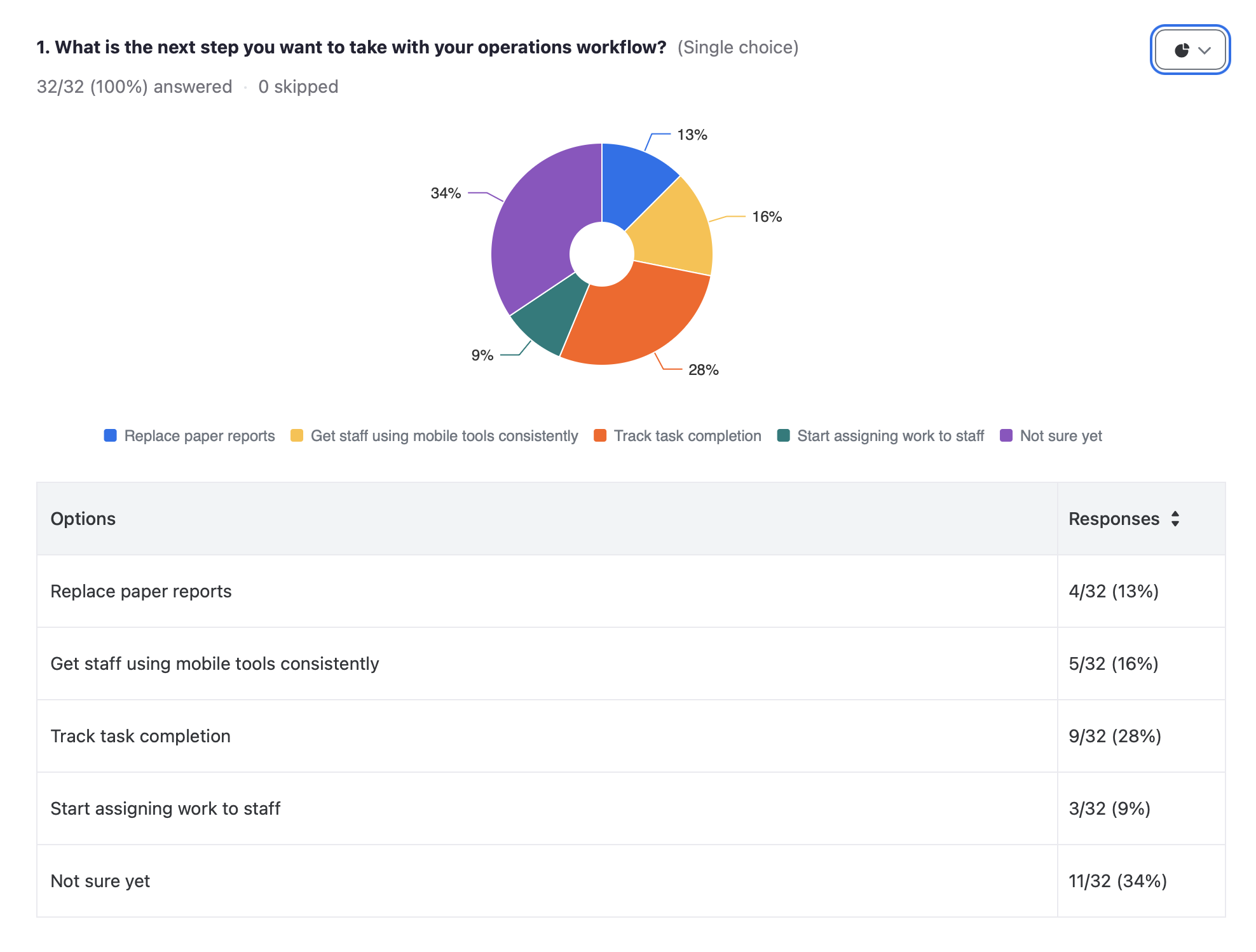
If you’re like most scheduling and operations pros, you’re always looking for ways to work more efficiently and effectively. However, as our final poll showed, more than a third of attendees are unsure what their next steps should or will be: